WHAT TYPE OF FREELANCE EDITOR DO I NEED?
Hoping to get your book published? You may need to hire a freelance editor to help you achieve your goal. There are two types of freelance editors, and each has different credentials and skills. If you are wondering, “What type of freelance editor do I need?” read on.
Do You Need a Freelance Editor If You’ve Got a Book Deal?
First, recognize that if you get a book deal with a traditional publisher, your editor will do a moderate to minimal amount of editing of your completed manuscript. You don’t have to worry too much about copyediting, also known as light line editing, because the publisher will have in-house or freelance copyeditors who do that work. The publisher understands that a book-length manuscript will need editing. Of course, you don’t want to hand in a manuscript that is filled with grammar and usage errors, typos, misspellings, factual errors, and inconsistencies. Just remember that the publisher’s concern is whether your book is in good enough shape for the publishing team to feel confident that with some minor alterations and corrections, your manuscript will be ready to go into production. After your manuscript has been “delivered and accepted” (or “d & a”—this is the term typically used in book contracts), a professional will copyedit it. Later, the book will be proofread at least once before being published.
Is your completed manuscript ready for submission to an editor? A quality literary agent or a freelance editor who is highly knowledgeable about what publishers are looking for can help determine that and guide you in what you need to do next. (Even if you have written the entire manuscript for your nonfiction book, you still need a book proposal in order to get a book deal.)
Why You Need a Developmental Editor
If your plan is to self-publish, you can do as little or as much editing of your book as you like. After all, you are the boss. However, if you want a quality book, at the very least you’ll need to hire a copyeditor and a proofreader to fix errors in your manuscript prior to printing. You may also decide you want an editor to look at the big picture of the book and help you with your book’s structure, tone, and voice. That’s where developmental editors come in.
Developmental editors restructure manuscripts, clean up writing to make it less awkward and more consistent in tone, and add in transitions and headers. They may also suggest chapter titles and headers, rearrangement of material, and a change in the voice or tone. They’ll tell you what’s missing, what needs to be expanded upon, and what needs to be whittled down. Some can help you further develop your ideas and take them to the next level of sophistication. Developmental editors will also help you figure out what to do if chapter 2 turns out to be 35 pages long and chapter 3 is only 8 pages long. Developmental editing is also called heavy line editing, structural editing, or book doctoring. Developmental editors, or book doctors, vary in the depth of editing they’ll do.
Sometimes, because in-house acquisitions editors are overburdened with work, they need to bring in what’s known as a developmental editor to do some restructuring, even out the voice and tone, and more. Talk to your editor early on about your writing skills and concerns to avoid getting into a tight spot where you have to hire a freelance developmental editor to make your deadline.Light line editors, also called copyeditors, don’t address the structure of the book, the voice, or the tone. Instead, they fix grammar and punctuation, decide on styling (such as choosing whether to use “he and she” or “they,” which is now acceptable in formal writing for publication), fact check, and note inconsistencies. It’s not their job to help you develop ideas or keep an eye on the big picture.
A copyeditor or light line editor doesn’t necessarily do developmental editing, so if you’re self-publishing, recognize that you’ll need more than one type of editor to help you create a high-quality, professionally written book. A developmental editor will often only do minimal copyediting, leaving most of that work for someone else to do. Even if your developmental editor or book doctor happens to have great copyediting skills, and not all do, you really need a second set of eyes to look at your manuscript after the developmental editor has finished working on your book.
If you are wondering, “What type of freelance editor do I need?” be sure you know what you will be getting in a “freelance editor for hire”: line editing, copyediting, or developmental editing.If you’re looking to hire a freelance copyeditor, I highly recommend Valerie Brooks at www.TheWriteEdit.com and the experienced professionals at www.the-efa.org (the Editorial Freelancers Association). But if you want to hire a developmental editor who can help you more deeply develop your ideas and get your book in shape, check that person’s credentials. Make sure he or she has the skills to do developmental editing. What’s more, if you wrote your book with the help of AI, you might find you need a ghostwriter or book writing coach to fix the problems AI introduces and ensure that your book sounds like you, not a robot. As a self-help ghostwriter, I know how to help authors figure out whether they need me to ghostwrite for them, do developmental editing, or coach them into making their book the best it can be.
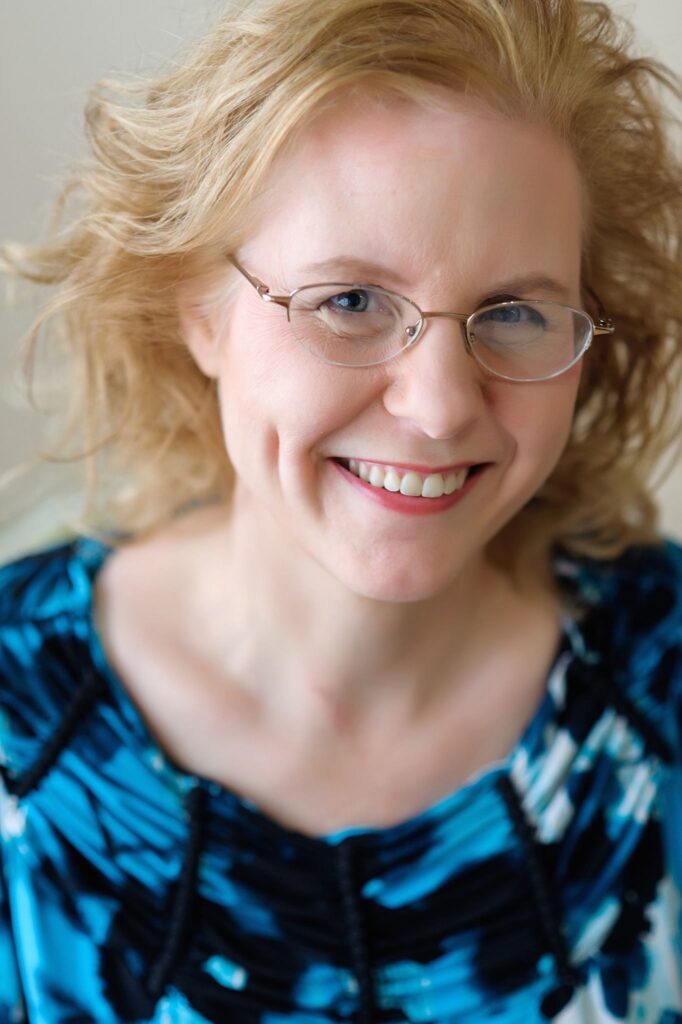
Nancy Peske, the Wordmason™, is a bestselling and award-winning self-help ghostwriter and developmental editor who also does book writing coaching and book publishing consulting. She works with nonfiction authors writing in genres from spiritual psychology to creativity, parenting, women’s leadership, public health, and more. Nancy ghostwrites and does developmental editing on self-help, life-lessons, and mind/body/spirit wellness books as well as inspirational memoir and legacy autobiographies. She has worked with thought leaders such as Marianne Williamson and John Gray, people hoping to get their personal story into print, and authors who want to brand themselves with a full-length or mini book and self-publish it.